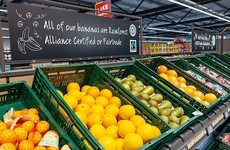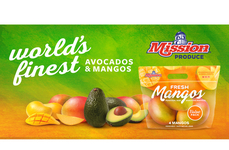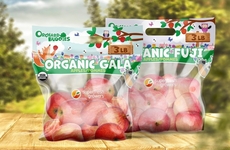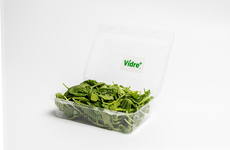


Brands increasingly invest in plastic and waste-free stickers for produce labeling
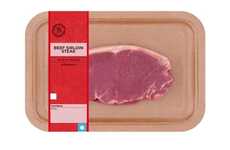
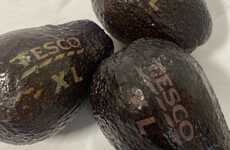
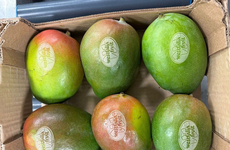
Trend - Companies are developing certified paper-based or laser-etched labels designed for direct contact with fresh produce, aligning with their sustainability goals. These stickers claim to mitigate waste issues, facilitate cleaner composting processes, and reduce methane emissions from landfills.
Insight - Consumers often buy fresh fruits and vegetables from local stores, but recognize that the stickers used for labelling contribute to unnecessary waste. In response, companies are unveiling compostable and biodegradable solutions that convey branding and growing methods without contributing to existing environmental concerns. These companies recognize that certain parts of a product serve no purpose for the end consumer, and are working to eliminate unnecessary waste before it reaches the store.
Insight - Consumers often buy fresh fruits and vegetables from local stores, but recognize that the stickers used for labelling contribute to unnecessary waste. In response, companies are unveiling compostable and biodegradable solutions that convey branding and growing methods without contributing to existing environmental concerns. These companies recognize that certain parts of a product serve no purpose for the end consumer, and are working to eliminate unnecessary waste before it reaches the store.
Workshop Question - How can your brand reduce product waste before it even reaches the store?
Trend Themes
1. Sustainable Packaging Innovations - Companies are increasingly adopting eco-friendly packaging solutions to minimize environmental impact and align with consumer demand for sustainability.
2. Smart Food Labeling - The development of alternative label technologies, such as laser etching, represents a shift towards more efficient, waste-free product identification methods.
3. Circular Economy Practices - By focusing on biodegradable and compostable solutions, businesses are moving towards a circular economy that reduces waste and enhances the lifecycle of materials.
Industry Implications
1. Agri-tech - The agricultural sector is integrating innovative logo and labeling technologies to offer sustainable identification methods that enhance product tracking.
2. Food Retail - Retailers are being transformed by eco-packaging trends that cater to environmentally-conscious consumers seeking waste-free shopping experiences.
3. Waste Management - Technological advancements in compostable materials are reshaping waste management approaches, focusing on reducing landfill contributions and optimizing decomposition.
4 Featured, 18 Examples:
13,200 Total Clicks
Date Range:
Jun 24 — Sep 25
Trending:
This Year and Warm
Consumer Insight Topics: