

Artificial intelligence is used to translate human intent into natural action
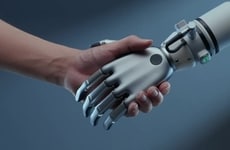
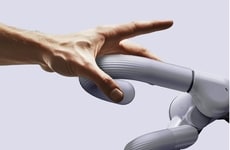
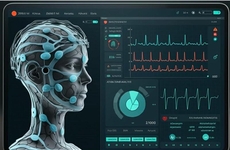
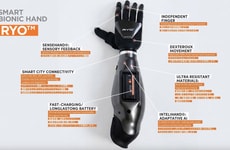
Trend - Artificial intelligence has evolved to replicate human biology, helping people regain accessibility, mobility, or even senses that were lost. Utilizing assistive and restorative medical technologies, these systems can understand what the user wants to do and act like a natural extension of the body.
Insight - Consumers are eager to embrace emerging technologies that improve health and mobility, yet many solutions ultimately feel mechanical or unnatural. In response, companies are training artificial intelligence to deliver fluid movement and a sense of control while seamlessly integrating with the user’s own abilities. These businesses understand that their audiences aren’t just seeking support—they want solutions that preserve independence, empower them, and feel like a natural part of who they are.
Insight - Consumers are eager to embrace emerging technologies that improve health and mobility, yet many solutions ultimately feel mechanical or unnatural. In response, companies are training artificial intelligence to deliver fluid movement and a sense of control while seamlessly integrating with the user’s own abilities. These businesses understand that their audiences aren’t just seeking support—they want solutions that preserve independence, empower them, and feel like a natural part of who they are.
Workshop Question - How can your brand leverage AI to create experiences that feel naturally human?
Trend Themes
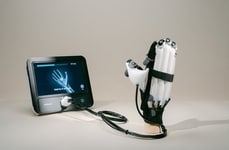
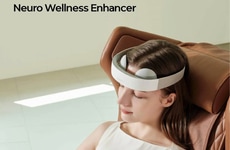
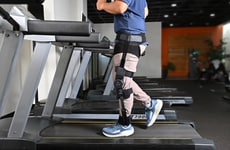
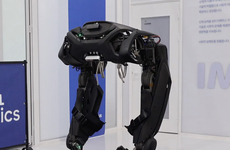
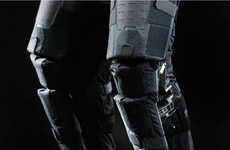
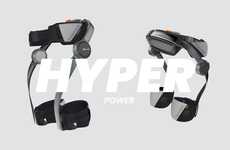
1. Smart Assistive Technologies - Assistive technologies are increasingly incorporating AI and biomimetics to simulate human-like movement and sensation, offering users an experience that aligns closely with natural human function.
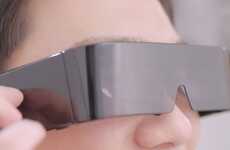
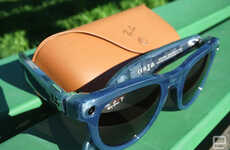
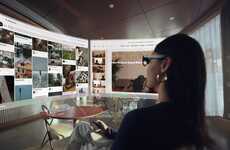
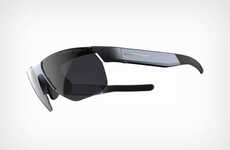
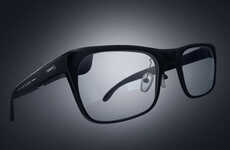
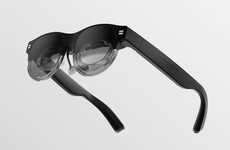
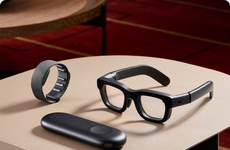
2. Immersive Augmented Reality - The advancement of AR glasses is creating new possibilities for seamlessly blending digital content with the physical world, providing users with enhanced interactive experiences that replicate natural vision.
3. Biomechatronics Integration - The integration of electromechanical systems into human tissue is pushing the boundaries of prosthetics, enabling devices to function as seamless extensions of the body with natural movement and response.
Industry Implications
1. Healthcare Technology - The healthcare technology industry is experiencing a shift towards solutions that focus on patient independence and integration with human biology, fostering innovations in personalized medical devices.
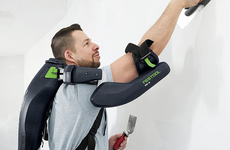
2. Wearable Technology - The development of intelligent wearables is transforming how digital devices interact with physical environments, promising more immersive and adaptive user experiences in daily life and specialized activities.
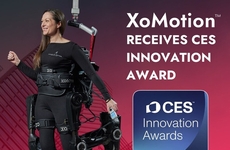
3. Rehabilitation and Prosthetics - Rehabilitation and prosthetics sectors are at the forefront of combining AI and biomechanics to enhance the quality of life for individuals with disabilities, driving innovations that blur the lines between biology and technology.