Beauty brands launch AI-powered skin analysis tools to improve tailored care
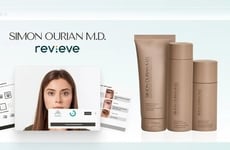
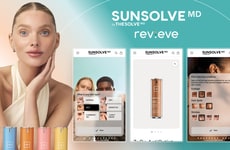
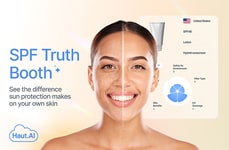
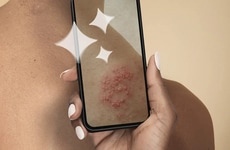
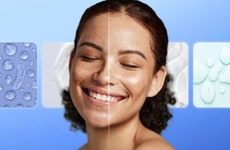
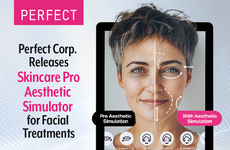
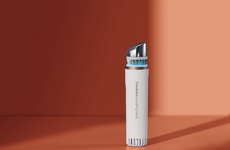
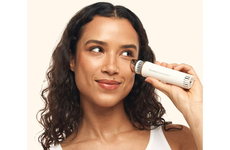
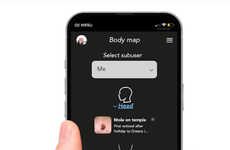
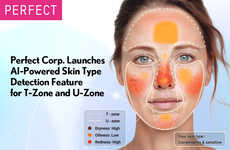
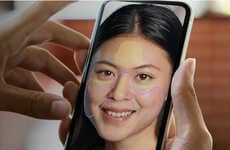
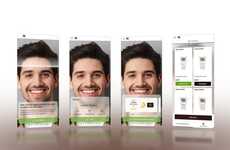
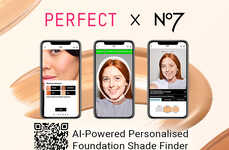
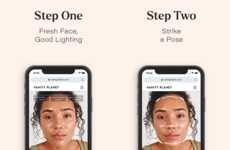
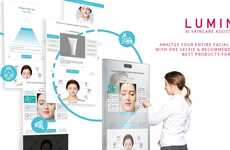
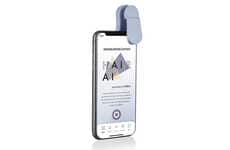
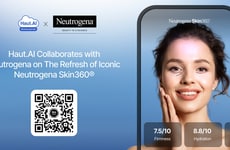
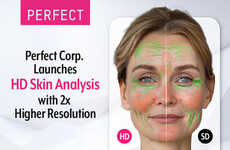
Trend - Beauty companies launch AI skin analyzers via apps, devices, in-store kiosks, using computer vision and machine learning to assess hydration, texture, pigmentation and pore size, offering customized regimens and tracking improvements.
Insight - Consumers struggle with product overload and lack of personalized guidance, often wasting money on ineffective treatments, leading to an increased desire for tailored solutions. Brands are turning to AI tools to deliver science-backed assessments, track skin health over time, and recommend tailored ingredients, enhancing efficacy and trust. Brands integrating AI diagnostics with e-commerce and subscription services can drive engagement, loyalty and better outcomes while gathering data for R&D.
Insight - Consumers struggle with product overload and lack of personalized guidance, often wasting money on ineffective treatments, leading to an increased desire for tailored solutions. Brands are turning to AI tools to deliver science-backed assessments, track skin health over time, and recommend tailored ingredients, enhancing efficacy and trust. Brands integrating AI diagnostics with e-commerce and subscription services can drive engagement, loyalty and better outcomes while gathering data for R&D.
Workshop Question - How might we leverage AI technology to enhance personalized experiences and improve customer engagement within our industry?
Trend Themes
1. AI-driven Beauty Diagnostics - Elevated algorithmic accuracy empowers skincare brands to provide finer-tuned diagnostic tools, enhancing precision in personalized beauty solutions.
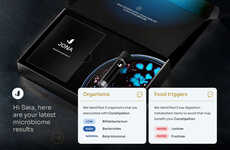
2. Microbiome-centric Skincare - Emerging interest in the skin's microbiome facilitates science-based product recommendations, offering opportunities for targeted skincare interventions.
3. Mobile Skin Health Solutions - The portability of advanced AI skin analyzers democratizes access to clinical-level diagnostics, broadening the scope for on-the-go skincare personalization.
Industry Implications
1. Beauty Technology - The integration of AI into beauty products is revolutionizing personal care routines by enhancing customization and result tracking.
2. Artificial Intelligence - AI's capability to process and analyze large datasets quickly is paving the way for more sophisticated and personalized consumer experiences.
3. Holistic Health - A growing focus on personalized health solutions is driving innovation in identifying individual microbiome compositions and tailored wellness strategies.