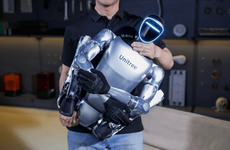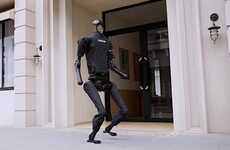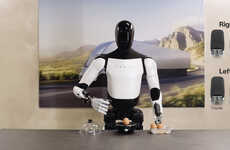



Robotics brands are creating functional human-like robots for versatile tasks
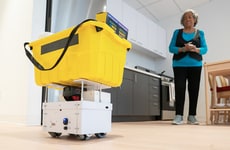
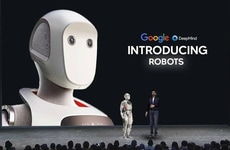
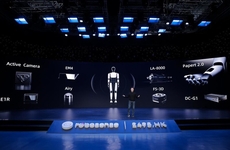
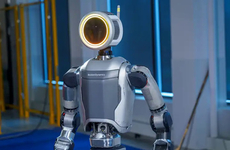
Trend - Robotics firms are launching humanoid robots with AI perception, advanced sensors, and dexterous actuators to handle warehouse logistics, assembly, customer service, and elder care. They emulate human movement and interaction for seamless integration across environments
Insight - Businesses face labor shortages and rising automation costs, while existing robots lack adaptability for variable workflows and human settings. Service sectors struggle with consistent customer engagement and care providers report burnout. Robotics brands are addressing these issues by developing AI-driven humanoid robots with dexterous manipulation, perceptual intelligence, and social interaction capabilities, delivering scalable, versatile solutions.
Insight - Businesses face labor shortages and rising automation costs, while existing robots lack adaptability for variable workflows and human settings. Service sectors struggle with consistent customer engagement and care providers report burnout. Robotics brands are addressing these issues by developing AI-driven humanoid robots with dexterous manipulation, perceptual intelligence, and social interaction capabilities, delivering scalable, versatile solutions.
Workshop Question - How can your brand leverage AI-driven humanoid robot capabilities to address current challenges in labor shortages and enhance service delivery?
Trend Themes
1. AI-enhanced Robotics - The integration of advanced AI with robotic systems facilitates automation of intricate tasks like laundry folding, showcasing the potential for intelligent adaptations in unstructured environments.
2. Human-robot Collaboration - Developing robots that mimic human precision and dexterity enables the completion of labor-intensive or monotonous tasks with minimal human intervention while maintaining high efficiency.
3. Smart Sensor Integration - Incorporating sophisticated sensors into humanoid robots increases their ability to perceive and interact with diverse environments, aiding smooth navigation and task execution.
Industry Implications
1. Consumer Electronics - The expansion of humanoid robots into household chores generates new opportunities within consumer electronics for innovative smart home solutions.
2. Healthcare & Elder Care - Enhanced humanoid robots can offer scalable solutions for elder care, addressing labor shortages and improving quality of care in a sector facing significant challenges.
3. Logistics & Warehousing - The adaptability of humanoid robots for logistics tasks introduces disruptive efficiencies in warehouse operations, transforming traditional supply chain models.