

Health wearables featuring replaceable biosensors gain popularity
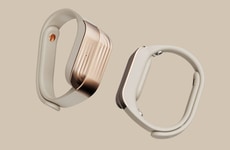
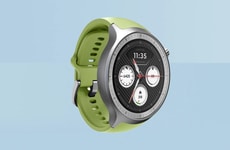
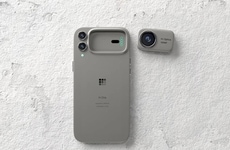
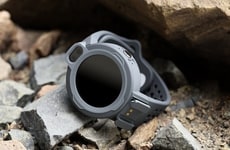
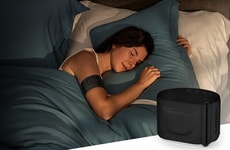
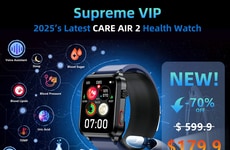
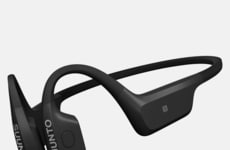
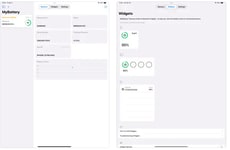
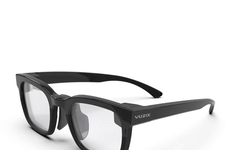
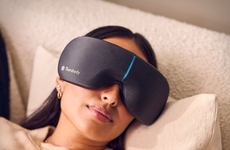
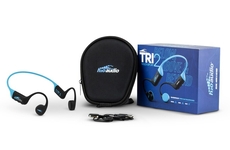
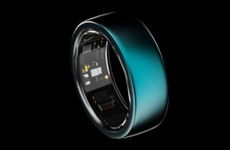
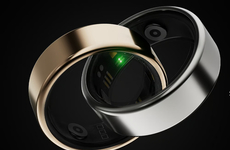
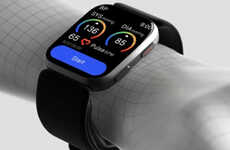
Trend - Brands release smart wearables with modular, swappable sensor modules sold separately; users slot cartridges or plug‑in modules into a durable hub to replace failed parts, add features, or buy upgrades. Products include sealed cartridges, standardized slots, and apps to manage modules.
Insight - Many users resent replacing an entire wearable when a single sensor fails or becomes outdated; they want devices that last, are repairable, and let them add features over time. Brands isolate failure points into sealed cartridges or user-replaceable modules while keeping a durable hub for compute and UI. This aims to lower total cost of ownership, cuts e-waste, enables faster feature rollouts, and creates recurring revenue from consumable modules.
Insight - Many users resent replacing an entire wearable when a single sensor fails or becomes outdated; they want devices that last, are repairable, and let them add features over time. Brands isolate failure points into sealed cartridges or user-replaceable modules while keeping a durable hub for compute and UI. This aims to lower total cost of ownership, cuts e-waste, enables faster feature rollouts, and creates recurring revenue from consumable modules.
Workshop Question - How might your brand incorporate modular components into your products or services to enhance longevity and user customization?
Trend Themes
1. Modular Wearable Technology - Wearables adopting modular architectures enable users to upgrade components, reduce waste, and minimize device replacement.
2. Sensor Customization - Offering configurable sensor options provides users the flexibility to tailor devices to specific needs without purchasing multiple products.
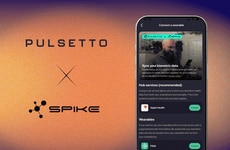
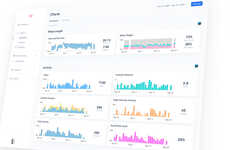
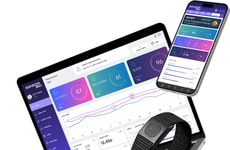
3. Integrated Health Data Management - Health wearables that synchronize data with cloud processing and apps facilitate comprehensive tracking and personalized insights across various devices.
Industry Implications
1. Consumer Electronics - The rise of modular components in consumer electronics allows product longevity and customization, appealing to environmentally-conscious and tech-savvy consumers.
2. Healthcare and Wellness Technology - Innovations in biosensor technology within health wearables create opportunities for personalized healthcare and preventive wellness strategies.
3. Internet of Things (iot) - Advancements in IoT ecosystems are supported by modular and sensor-based wearables, enhancing data integration and real-time health monitoring capabilities.
4 Featured, 33 Examples:
24,381 Total Clicks
Date Range:
May 25 — Feb 26
Trending:
This Quarter and Hot
Consumer Insight Topics: