

AI systems that execute tasks end‑to‑end gain popularity with consumers
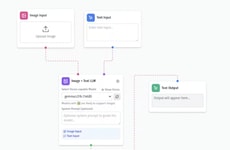
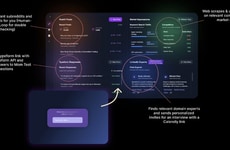
Trend - Tech brands are releasing agentic AI tools that perform real tasks such as booking services, managing workflows, filing forms, organizing data, or completing multi‑step digital actions. These tools focus on automation, reliability and hands‑off execution rather than conversational back‑and‑forth.
Insight - Consumers are growing tired of chatbots that only provide suggestions or partial answers; they want AI that actually does the work. People value saved time, reduced friction and confidence that tasks will be completed correctly in the background. Brands are shifting to agentic designs that let users delegate actions, not just ask questions. By automating multi?step tasks and integrating with apps and services, these tools feel more like digital workers than simple chat interfaces.
Insight - Consumers are growing tired of chatbots that only provide suggestions or partial answers; they want AI that actually does the work. People value saved time, reduced friction and confidence that tasks will be completed correctly in the background. Brands are shifting to agentic designs that let users delegate actions, not just ask questions. By automating multi?step tasks and integrating with apps and services, these tools feel more like digital workers than simple chat interfaces.
Workshop Question - How might we create AI solutions that autonomously execute multi-step tasks to enhance user experience and reduce friction?
Trend Themes
1. Agent-driven AI Systems - The rise of fully autonomous AI agents that independently plan and execute tasks showcases the evolution of AI from suggestive to actionable tools.
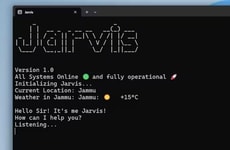
2. User-controlled AI Frameworks - Enhanced focus on privacy and user-driven data control is leading to AI systems that prioritize local processing over cloud dependency.
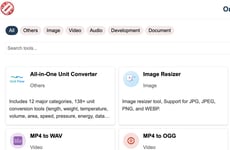
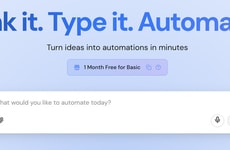
3. Web-based Automated Agents - Increased demand for web extensions that automate tasks through natural language understanding and scripted sequences reflects the growing need for browser-based productivity tools.
Industry Implications
1. Artificial Intelligence - As AI systems evolve to be more agentic and less reliant on human oversight, the demand for intelligent automation across sectors is rapidly expanding.
2. Productivity Tools - Innovations in AI-driven task management are redefining productivity software, enabling users to delegate complex workflows to digital assistants.
3. Data Privacy and Security - A surge in AI platforms offering local processing and user governance is transforming how personal data privacy is managed and understood.