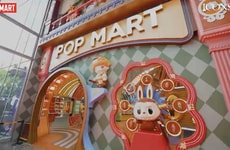
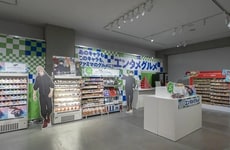

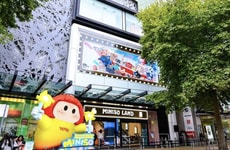
Retail brands are reimagining store spaces for specific intellectual properties
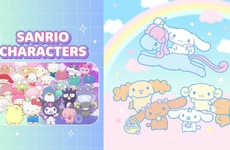
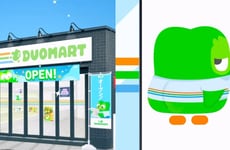
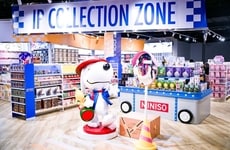
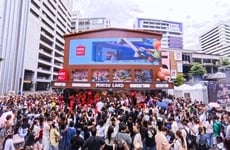
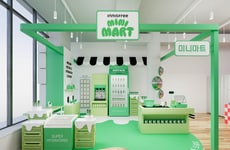
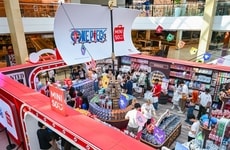
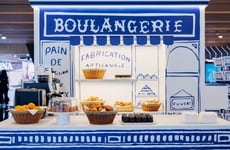
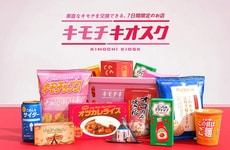
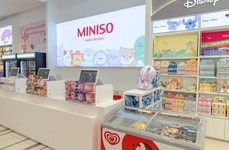
Trend - Retailers are leveraging playful, fandom-driven intellectual properties and franchises to create personalized, interactive shopping experiences within brick-and-mortar environments. By reformatting the traditional store concepts as an immersive, thematic destination, retailers aim create deeper consumer engagement.
Insight - Many Gen Z and Millennial shoppers experience a declining attachment to traditional stores due to a sense of disconnection from repetitively transactional visits centered on basic purchases. In response, immersive, IP-driven products transform shopping into a stylized, interactive experience rooted in storytelling and fandom. By offering escapism and connection, retailers can foster longer visits and increased brand loyalty—while appealing to shoppers who value expressions of identity.
Insight - Many Gen Z and Millennial shoppers experience a declining attachment to traditional stores due to a sense of disconnection from repetitively transactional visits centered on basic purchases. In response, immersive, IP-driven products transform shopping into a stylized, interactive experience rooted in storytelling and fandom. By offering escapism and connection, retailers can foster longer visits and increased brand loyalty—while appealing to shoppers who value expressions of identity.
Workshop Question - How can your brand create engaging in-store experiences for consumers?
Trend Themes
1. Ip-driven Immersive Retail - Physical stores reimagined as narrative destinations create opportunities for retail formats that blend storytelling, themed environments, and exclusive merchandise to drive dwell time and loyalty.
2. Fandom-centric Microeconomies - Character-led collaborations and limited-edition drops are enabling collectible ecosystems around IP that can support secondary markets, subscription models, and community monetization.
3. Everyday Experience Gamification - Embedding playful, episodic activations into routine retail touchpoints opens space for loyalty systems and product formats that turn transactional visits into repeatable entertainment moments.
Industry Implications
1. Retail Real Estate - Flagship and mall owners face disruption as demand shifts toward experiential tenancies that prioritize themed destinations and longer visitor dwell times over traditional category anchors.
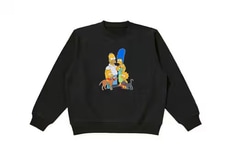
2. Consumer Packaged Goods - Beauty and lifestyle brands stand to be transformed by character-applied packaging and limited-run product collaborations that drive impulse purchases and higher price premiums.
3. Entertainment and Licensing - Studios and IP owners can unlock new revenue streams through retail-native storytelling, branded hospitality, and co-branded consumer products tailored to global fandoms.