

Consumers seek data-driven peace of mind through preventive health scans
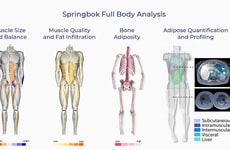
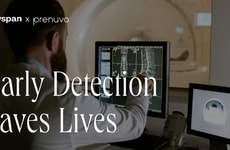
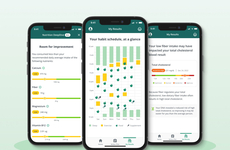
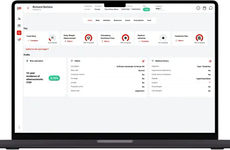
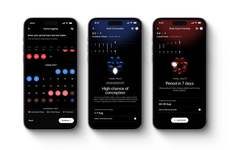
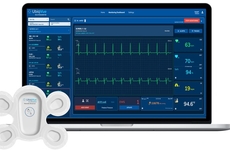
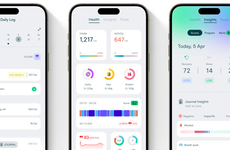
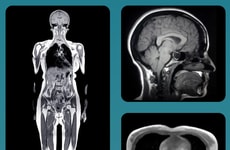
Trend - Full-body preventive scans, from MRI and CT imaging to 3D body composition analysis and at-home biometric monitoring, are expanding rapidly in the private wellness market. These services promise early detection of serious conditions like cancer and cardiovascular disease, while also providing detailed data on body composition, muscle decline, and longevity markers.
Insight - There's a fundamental shift from reactive to proactive health. People no longer want to wait until something goes wrong they want information and control now. This stems from awareness that prevention matters more than intervention, and a deeper need for agency in a healthcare system that often feels opaque and passive. The gap between medical caution and consumer behavior reflects this tension: professionals warn against unnecessary testing, but people are willing to invest in tools that give them a sense of preparedness and peace of mind.
Insight - There's a fundamental shift from reactive to proactive health. People no longer want to wait until something goes wrong they want information and control now. This stems from awareness that prevention matters more than intervention, and a deeper need for agency in a healthcare system that often feels opaque and passive. The gap between medical caution and consumer behavior reflects this tension: professionals warn against unnecessary testing, but people are willing to invest in tools that give them a sense of preparedness and peace of mind.
Workshop Question - How could your brand give consumers the peace of mind that comes from being ahead of the game instead of chasing it?
Trend Themes
1. Proactive Health Monitoring - An increasing interest in proactive health monitoring reflects consumers' desire to take charge of their wellness by utilizing cutting-edge technology for early disease detection and health optimization.
2. Automated Diagnostic Convenience - Automation in diagnostics is streamlining healthcare processes, providing increased accessibility through self-service models designed to integrate seamlessly into daily life.
3. Consumer-driven Preventive Care - Empowered by technology and access to detailed health data, consumers are driving demand for preventive healthcare options that offer personal agency over long-term wellness.
Industry Implications
1. Healthcare Technology - Innovations in healthcare technology are bridging the gap between traditional healthcare systems and consumer demands for advanced, data-driven health solutions.
2. Retail Health Services - The expansion of health services within retail environments is transforming how people access basic healthcare, prioritizing convenience and affordability.
3. Personal Wellness and Fitness - The personal wellness and fitness sector is evolving, incorporating sophisticated biometrics and data analytics to support individualized health management strategies.