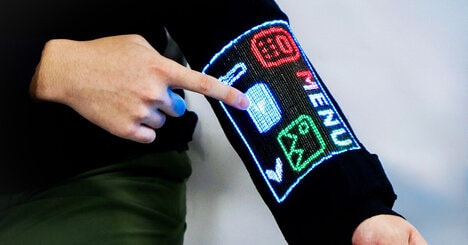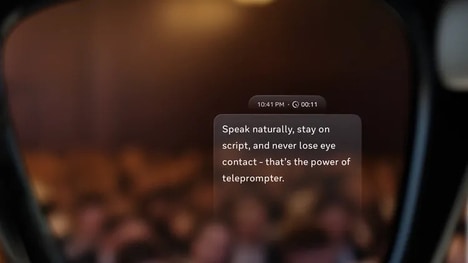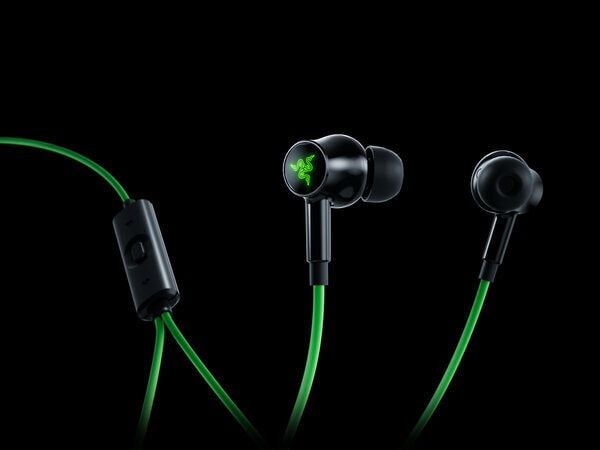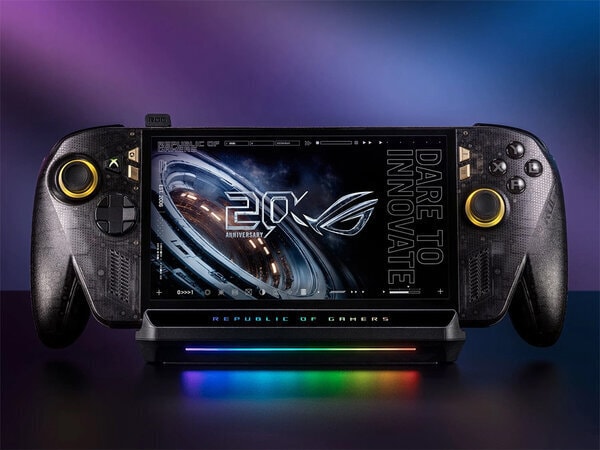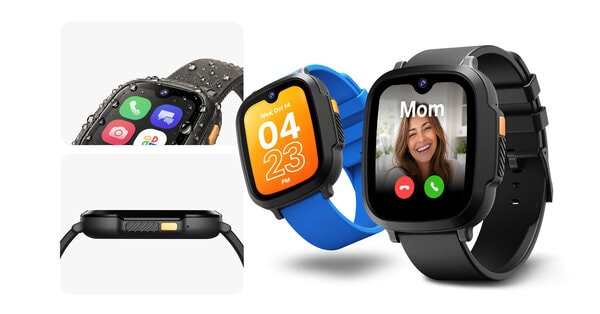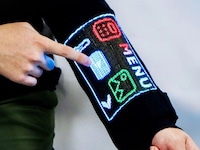
Researchers at North Carolina State University have developed EpiPad, a smartwatch prototype that lets users control their devices through finger gestures on their forearms. Instead of relying entirely on a small watch display, the system uses millimetre-wave radar and machine learning to recognise movements such as two-finger scrolling, pinching to zoom and presses made with different levels of force.
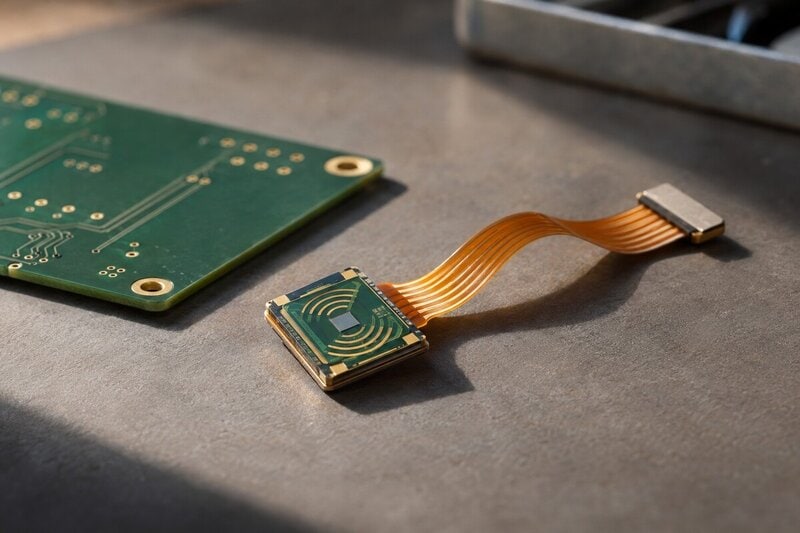
A 5 x 4 mm sensor array is designed to fit inside a conventional smartwatch. Its radar detects tiny changes in the skin as users press their fingers against their forearms, allowing it to distinguish between lighter and harder touches. Following calibration, EpiPad achieved 92.8% gesture-recognition accuracy in testing.
The project remains a research prototype, but its estimated component cost could fall below $10 per unit at scale. The approach could give wearable makers a way to add more precise controls without increasing screen size, with potential applications in AI glasses and other devices that have limited or no displays.
Image Credit: AI-generated
Key Themes Behind This Trend
- Skin-based Interfaces
- Forearm gesture controls signal a shift toward body-surface input systems that reduce dependence on miniature screens while enabling more natural wearable interactions.
- Radar-enhanced Wearables
- Millimetre-wave sensing introduces compact, low-cost recognition capabilities that can make smartwatches and companion devices more responsive to subtle physical movements.
- Displayless Device Control
- Gesture-driven input expands the usability of AI glasses, earbuds and other screen-limited hardware by creating invisible control surfaces on the body.
Where This Applies
- Wearable Technology
- Smartwatch makers can differentiate products through precise off-screen controls that increase functionality without enlarging device footprints.
- Consumer Electronics
- Low-cost sensor arrays create new pathways for integrating gesture recognition into compact devices where traditional touchscreens are impractical.
- Augmented Reality
- Hands-free and screen-free interaction systems strengthen the viability of AI glasses by providing discreet controls suited to mobile and immersive environments.
Featured Reports

The Smaller Celebration Economy

When AI Builds the Basket