





Google Debuts Android Anti-Theft Tools With Stronger Protection
Edited by Kanesa David — January 28, 2026 — Tech
This article was written with the assistance of AI.
References: techcrunch
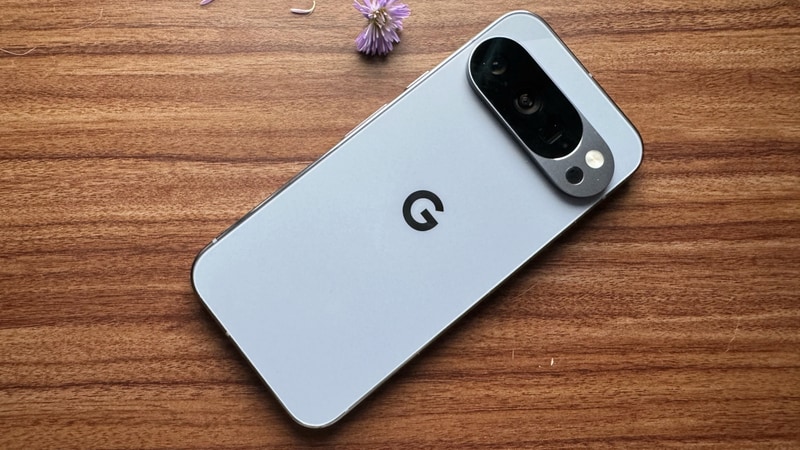
Google has expanded its suite of Android anti-theft protection tools, rolling out new safeguards for Android 16 and higher. The update builds on earlier features like Theft Detection Lock and Offline Device Lock, but now focuses on tougher authentication rules and easier recovery after a device goes missing.
Users can now directly control the Failed Authentication Lock via a dedicated settings toggle, giving them clearer oversight of how quickly their phone locks after repeated incorrect login attempts. Lockout times have been extended to deter PIN, pattern, or password guessing, while Identity Check now applies across all biometric-enabled apps, including banking tools and Google Password Manager. Remote Lock, available on Android 10 and up, has also gained an optional security challenge so only the verified owner can trigger a remote lock via the web.
In Brazil, Google enabled Theft Detection Lock and Remote Lock by default, using on-device AI to identify potential “snatch-and-run” motion and automatically prepare defenses. These layered protections help reduce the appeal of stealing high-end Android devices from brands like Google and Samsung. For consumers, the changes translate into stronger account safety, more transparent control over security settings, and reduced friction when responding to loss or theft in real time.
Image Credit: Ivan Mehta / Shutterstock
Users can now directly control the Failed Authentication Lock via a dedicated settings toggle, giving them clearer oversight of how quickly their phone locks after repeated incorrect login attempts. Lockout times have been extended to deter PIN, pattern, or password guessing, while Identity Check now applies across all biometric-enabled apps, including banking tools and Google Password Manager. Remote Lock, available on Android 10 and up, has also gained an optional security challenge so only the verified owner can trigger a remote lock via the web.
In Brazil, Google enabled Theft Detection Lock and Remote Lock by default, using on-device AI to identify potential “snatch-and-run” motion and automatically prepare defenses. These layered protections help reduce the appeal of stealing high-end Android devices from brands like Google and Samsung. For consumers, the changes translate into stronger account safety, more transparent control over security settings, and reduced friction when responding to loss or theft in real time.
Image Credit: Ivan Mehta / Shutterstock
Trend Themes
-
Advanced Biometric Authentication — The expansion of identity checks to all biometric-enabled apps signals a shift towards more secure and seamless user authentication methods.
-
AI-powered Theft Detection — Implementing on-device AI for motion detection that anticipates snatch-and-run scenarios offers a proactive layer of deterrence against theft.
-
Enhanced Remote Security Management — The new security challenge for remote locking strengthens device protection by ensuring only verified owners can secure their devices from afar.
Industry Implications
-
Mobile Security Software — Innovations in anti-theft features and stronger authentication methods are setting new standards in the mobile security landscape, driving demand for comprehensive protection tools.
-
AI and Machine Learning — Utilizing AI-driven solutions for theft detection illustrates the growing importance of machine learning in enhancing user safety and device intelligence.
-
Device Management Solutions — The introduction of advanced remote device management features highlights the need for robust solutions that provide users with greater control over their security settings.
5.1
Score
Popularity
Activity
Freshness