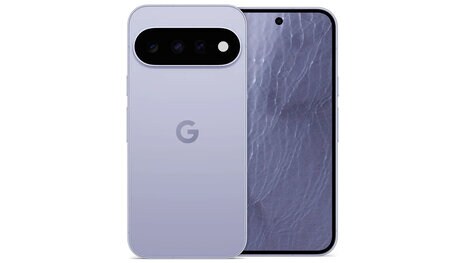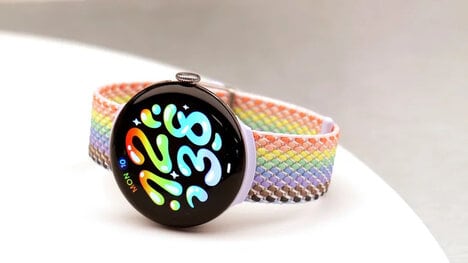

AI-enhanced GPS tracking is improving wearable fitness data as Google equips the Pixel Watch 5 with its most accurate route-tracking system yet. The smartwatch combines AI with Google Maps’ 3D building models to reduce positioning errors caused by satellite signals reflecting off buildings. It also uses data from Google’s global GPS reference stations to correct atmospheric and satellite discrepancies. Raw GPS information is compressed and processed through external servers, enabling greater accuracy without negatively affecting the watch’s battery life.
From a business perspective, more reliable GPS performance can help Google compete with established fitness wearables from Apple and Garmin. Accurate route data can strengthen the Pixel Watch’s appeal among runners, cyclists, hikers and other fitness-focused consumers. Google can also differentiate its hardware by leveraging existing assets such as Maps, AI systems and location infrastructure, creating deeper integration across its broader ecosystem.
Image Credit: Google
Part of the cluster
Embedded Intelligence
Devices increasingly process personal context where they are used
Explore the cluster


What Makes This Trend Stand Out
- AI-corrected Location Data
- Machine learning layers are making wearable GPS more precise in dense urban environments, creating openings for fitness, navigation and mobility services built around higher-trust location intelligence.
- Battery-efficient Edge-to-cloud Processing
- Compressed sensor data routed through external computation enables advanced performance without draining small devices, expanding possibilities for compact wearables with premium software capabilities.
- Ecosystem-integrated Wearables
- Combining maps, AI infrastructure and device hardware strengthens platform differentiation, giving tech brands new ways to turn existing digital assets into everyday health and fitness value.
Sectors Adopting This
- Wearable Technology
- More accurate route tracking increases the competitive potential of smartwatches and fitness bands, especially for consumers who rely on precise performance metrics.
- Fitness Technology
- Enhanced GPS reliability supports richer workout analytics and coaching experiences, allowing digital fitness platforms to deliver more credible outdoor activity insights.
- Location-based Services
- Improved correction of satellite and atmospheric errors can raise expectations for mapping, navigation and mobility applications that depend on granular real-world positioning.