From Shoe Craft Heritage Museums to Circadian Therapy Lamps
Debra John — April 12, 2026 — Art & Design
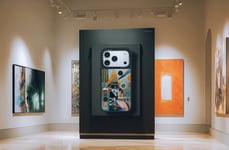
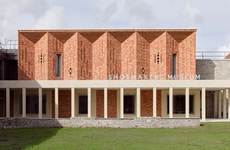
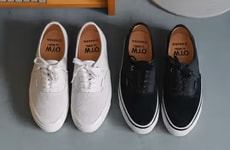
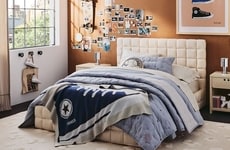
The April 2026 art & design trends signal a deepening synthesis of preservation, innovation, and sensorial intent, where objects and spaces are increasingly conceived as both functional solutions and cultural narratives. At the outset, the Shoemaker’s Museum by Purcell demonstrates a thoughtful recalibration of heritage architecture, retaining its historic timber and masonry while inserting contemporary elements that read as deliberate contrasts rather than seamless imitations. In a similar vein, the 'CASETiFY x Tate Collection' reframes canonical artworks as mobile, tactile artifacts, extending institutional culture into the rhythms of everyday life.
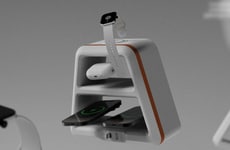
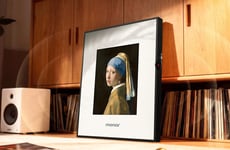
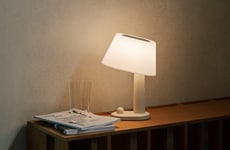
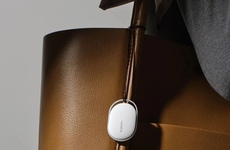
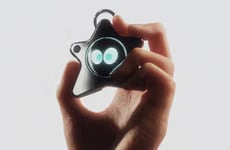
Concurrently, design is embracing hybridity at multiple scales. The 'Monar Canvas Speaker' dissolves the boundary between art and technology through synchronized audio-visual expression, while the 'Nova' charging station elevates a utilitarian object into a softly illuminated sculptural presence. Alongside this, wellness-driven innovation becomes more ambient and integrated, as seen in the 'Beanue Mini' lamp, which subtly aligns lighting with circadian rhythms rather than treating it as a separate intervention.
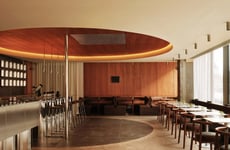
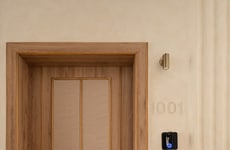
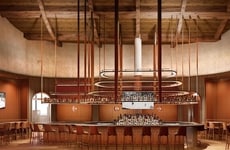
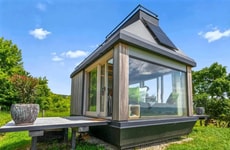
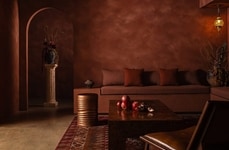
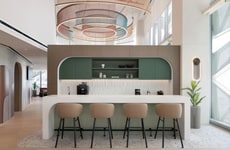
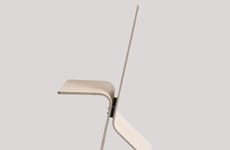
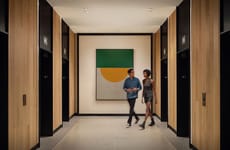
Spatial design further amplifies this narrative-driven approach. Ernst & Young’s Riyadh headquarters interweaves cultural references with adaptable workplace systems, while WatchHouse Thames distills its architectural context into a singular interior gesture. Meanwhile, pieces like the 'Tilt' chair and 'Riffmade' collection foreground movement, concealment, and material tactility.
Collectively, these directions suggest a shift toward design as quiet storytelling—where utility is inseparable from atmosphere, and everyday interactions become sites of meaning, memory, and subtle transformation.
Concurrently, design is embracing hybridity at multiple scales. The 'Monar Canvas Speaker' dissolves the boundary between art and technology through synchronized audio-visual expression, while the 'Nova' charging station elevates a utilitarian object into a softly illuminated sculptural presence. Alongside this, wellness-driven innovation becomes more ambient and integrated, as seen in the 'Beanue Mini' lamp, which subtly aligns lighting with circadian rhythms rather than treating it as a separate intervention.
Spatial design further amplifies this narrative-driven approach. Ernst & Young’s Riyadh headquarters interweaves cultural references with adaptable workplace systems, while WatchHouse Thames distills its architectural context into a singular interior gesture. Meanwhile, pieces like the 'Tilt' chair and 'Riffmade' collection foreground movement, concealment, and material tactility.
Collectively, these directions suggest a shift toward design as quiet storytelling—where utility is inseparable from atmosphere, and everyday interactions become sites of meaning, memory, and subtle transformation.
7.9
Score
Popularity
Activity
Freshness